History
Please find below our approach to History
Year 6 Journalists
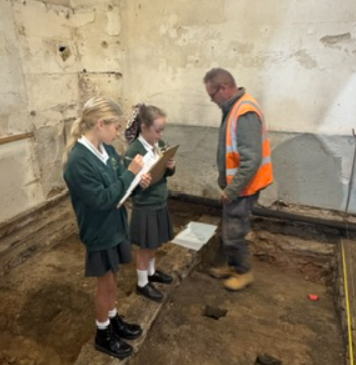
St Mary Magdalene Church discoveries!!!!!
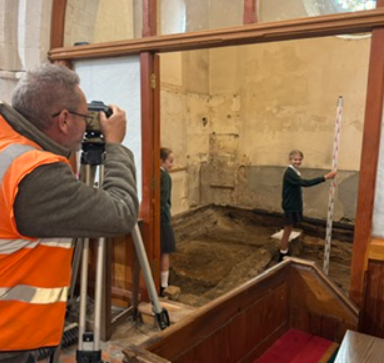
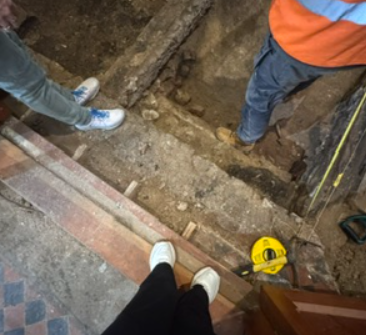
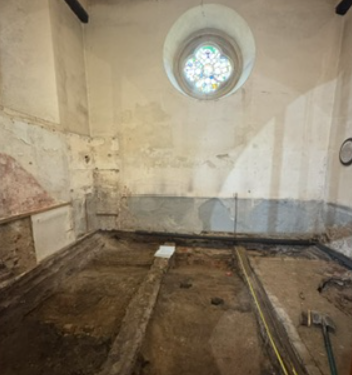
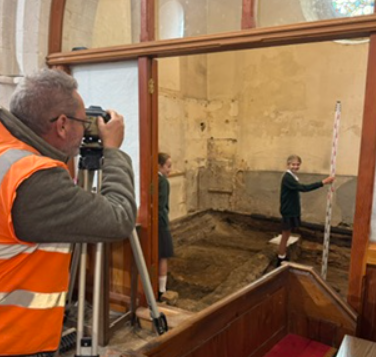
What are you digging in the north transept of the church?
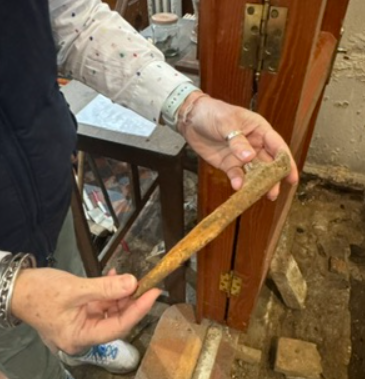
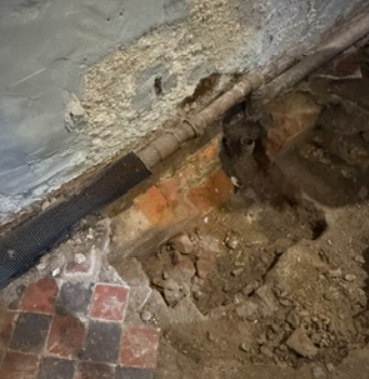
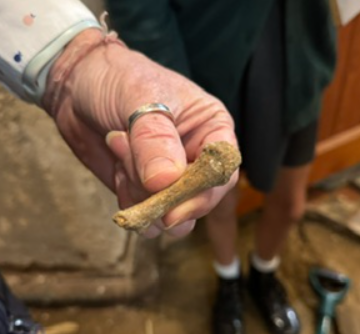
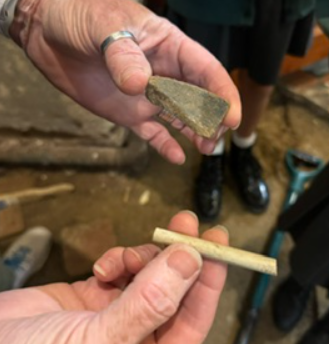
They have found a chamber, a tomb for a family from the Georgean times (a rich and powerful family), a freshwater shell, part of a human toe bone, part of an adult’s arm bone, part of old clay pipes, old tiles and so much more.
What have you discovered so far?
We have in fact discovered tiles, human bones (we think adult), quite a small arm, and we think part of a toe bone and other things.
What was the most exciting or surprising thing you found?
They have in fact found the bones of an elephant, the bones of a lion, the bones of a hyena, the bones of a mammoth and the bones of some more animals in the East part of London around 4,000 to 5,000 years ago.
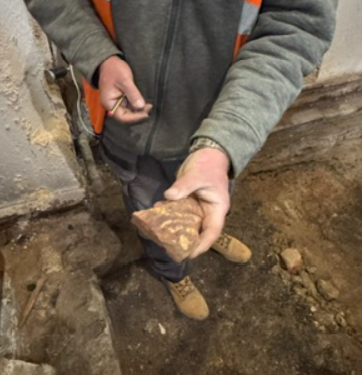
How old do you think the medieval floor tile is?
They were not entirely sure, but they think that the medieval floor tile is around from the 14th century. How cool is that!!!!!
How do you work out how old something is?
They use these technique’s called dating technique’s, stratigraphy and the higher the find, the more recent it has been buried. Also, the deeper the find, it means that it has been buried an exceptionally long time ago.
What do you think the burial vault was used for and who might have been buried there?
It was used for burials, but it was also a place to store old people’s bodies, but the bodies would be all related because in each burial, it would usually be a family.
What can the bones tell you about people who lived here in the past?
You can look at the diet, you can look at the teeth and if the teeth are warm, then you can tell what bread they ate just by looking at the teeth.
How do you make sure you do not damage things when you are digging?
To make sure you do not damage something when you are digging by, being very careful, scrape of the dust very carefully, use your brush wipes to get rid of any excess and you can use these things that are called dental tools.
Have you discovered anything that has changed what we know about St Mary Magdalene Church?
Apparently no, but it has always been a church, but it was supposed to be a Lepha hospital.
What will happen to everything you have found?
Some of the things that they have found are just thrown back into the pit, but some interesting things are taken to the scientist.
What happens next with the excavation?
What they do with the excavation is they leave it to the scientists.
If you could find one more thing here, what would you hope to discover?
He was hoping to find a genuinely nice piece of pottery.
What do you think children at Crowmarsh Gifford Primary School should know about the history underneath their local church?
It is incredibly old, it has been walked on for four hundred years, and churches are continuously being used by a bosh or rich family, and it would be rather deep.
Thank you for taking your time to read my information text and I hope you enjoyed reading it!
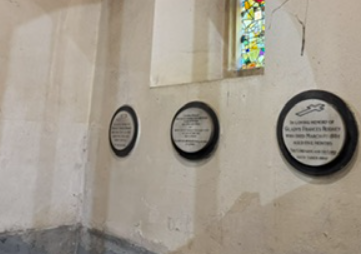
St Mary Magdalene Church discoveries!
Gilbert Marshall
His discoveries in the church: a human arm bone, a freshwater shell, a clay pipe, some pottery and a part of a human toe/foot bone. His favourite discovery ever: an elephant bone in London (half a million years old).
What we should know
The archaeologists are digging up what they think was a tomb built around the 14th century. The family that was thought to of used the tomb were alive around the Georgian times and would have had to be rich to afford it. How we know that it was the Georgian times is that the tomb was made from bricks not stone. It is always being reused!
How to dig without damage
When archaeologists are digging, they need to be very careful as not to damage any prehistoric items. Instead of using normal digging tools they use brushes and small, blunt spades.
What you can discover from looking at a bone
You can discover how old the person was when they died by the colour of the bone. By looking at the healthiness of the bone, you can tell what that person’s diet was. If you feel at the teeth you can tell from the temperature what bread they ate.
How to work out how old something is
You can use stratigraphy, dating techniques and you can also know by how deep it is.
History at our school
Gallery:
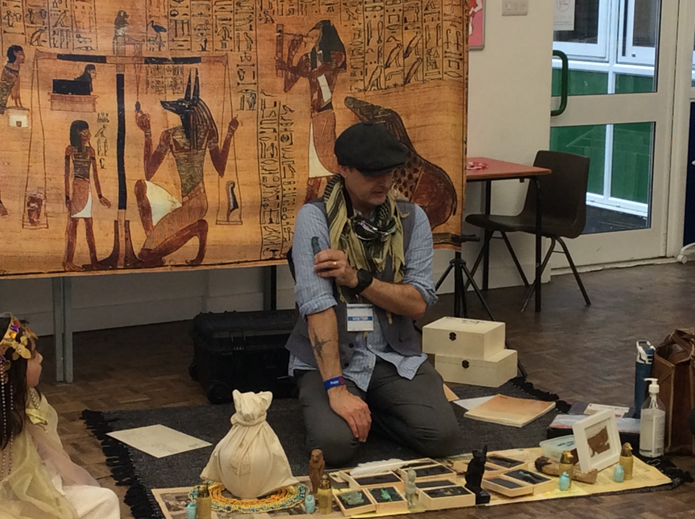
Year 3 - Ancient Egypt day
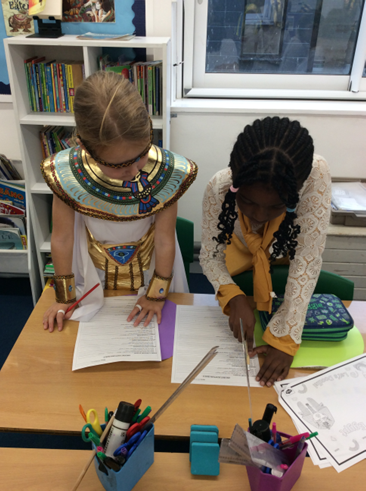
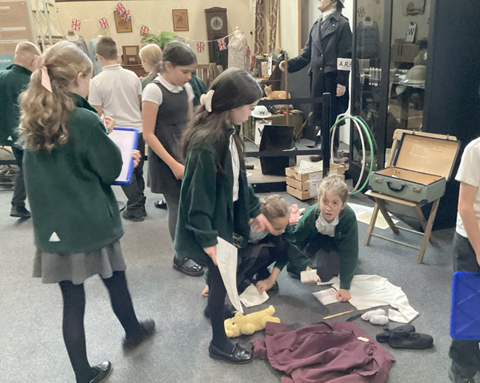
Year 2 - Victorian Schoolroom
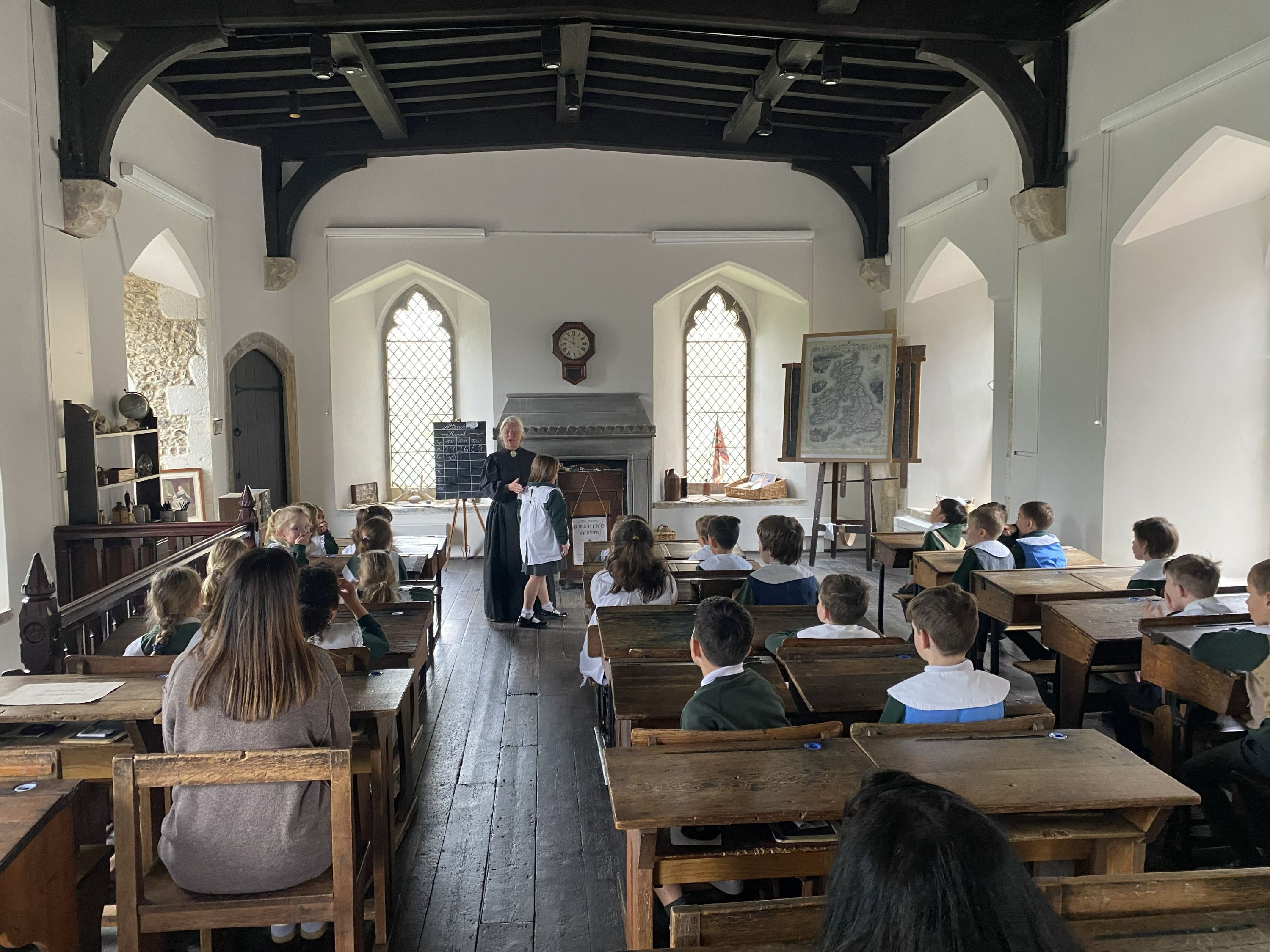
Year 5 trip to Milestones Museum (WW2 topic)